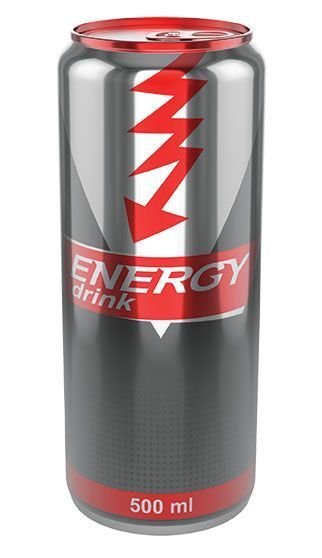
Risks in the Beverage Aisle: The Reality of Energy Drinks & Dietary Supplements
By Karyn Brodsky | Staff Writer
Have you ever downed an energy drink to power through the afternoon slump at work? How often have your children resorted to the same before an important exam? Each year, countless individuals find themselves in emergency rooms due to such choices.
The statistics are alarming. Research from the Taylor Hooton Foundation (THF) based in McKinney, TX, an organization committed to raising awareness about the risks associated with Appearance and Performance Enhancing Drugs (APEDs), indicates that “over 20,000 ER visits annually are attributed to high-energy drinks and shots,” with several fatalities occurring as a result of their consumption (Substance Abuse and Mental Health Services Administration, www.samhsa.gov).
But the concern goes beyond just energy drinks. They represent only a fraction of the dietary supplements that fall outside the regulatory purview of the Food and Drug Administration (FDA). Per the FDA website (www.fda.gov/Food/DietarySupplements), “while dietary supplement manufacturers must register their facilities with the FDA, they aren’t obligated to gain FDA approval before selling these products.” The THF further emphasizes that many protein powders, creatine, protein shakes, and pre-workout formulas may harbor banned substances such as anabolic steroids and powerful stimulants, including methamphetamine. Donald Hooton Jr., THF’s Vice President of Education, whose brother Taylor tragically took his life at 17 after using anabolic steroids, warns, “as much as 25% of bodybuilding supplements may be tainted with anabolic steroids.”
So, how can one identify dietary supplements that may be harmful? One might think reading the label would suffice, but unfortunately, that’s not the case. “Due to the classification of these products as dietary supplements, they are not regarded as food. Thus, consumers must depend on manufacturers to be honest. Very few companies have their products certified by third-party organizations like NSF International to ensure that what’s listed on the label matches the contents,” Hooton explains. He also notes, “the average consumer will NEVER learn if the supplement is truly safe, and even if anabolic steroids were listed, few would recognize them—there are over 200 different aliases for testosterone alone.”
No explicit warnings on labels, the covert inclusion of dangerous substances, excessive caffeine levels, and the potential for serious health issues or even death—what should concerned parents do?
Educate Yourself. It is vital to proceed with caution and sound judgment. Hooton highlights that “the typical age for initiating dietary supplement use, including creatine, protein, vitamins, and energy drinks, is approximately 10 to 11 years. Many are provided to youngsters by parents.”
Hooton shares a distressing anecdote about a parent who questioned whether it was wrong to buy her 6-year-old an energy drink every morning at a gas station before school. “Many parents erroneously assume that products sold at grocery stores or gas stations are inherently safe,” laments Hooton. He strongly encourages parents to thoroughly research supplement manufacturers and consult a qualified sports dietitian or nutrition expert.
Monitor What Your Kids Consume. Hooton advises vigilance regarding the serving sizes of energy drinks. Most products contain multiple servings, which could pose risks if a child consumes the entire can. A typical cup of coffee may have around 150 mg of caffeine, while some energy drinks contain up to 500 mg per serving, which is nearly five times more than an average cup of coffee and ten times that of a standard soda. In addition, Hooton warns that energy drinks often include other legal stimulants, such as taurine and guarana, which can heighten heart rates and increase energy levels. It’s also crucial to remind children not to mix energy drinks with caffeine, pre-workout supplements, alcohol, or other substances.
Be Vigilant for Signs of Steroid Use in Teens. Hooton acknowledges that teens may be secretive about anabolic steroid usage, but certain signs could indicate that your child is either using steroids or taking a supplement laced with them. He advises, “Watch for changes like puffiness in the face, back or chest acne (known as androgen-induced acne), rapid weight gain over a short period, and an unusual eagerness to work out frequently. Such workout levels are not sustainable without the aid of steroids or other drugs.”
Statistics at a Glance
85 – The proportion of high school students who report never having received any discussion from coaches, parents, or educators about the dangers posed by these substances.
4,300,000 – The number of search results for “how to evade a steroid test.”
20,000 – More than 20,000 emergency room visits each year stem from high caffeine and energy drink consumption.
12,000,000+ – The total number of children utilizing unregulated over-the-counter dietary supplements.
12,600,000 – Hits generated by a search for “buy steroids.”
2,000,000 – Nearly 2 million middle and high school students admitting to using steroids for appearance and performance enhancement.
Related Resources: The Taylor Hooton Foundation