By Kimberly Blaker | Contributor
Are your garage, basement, and closets packed with items you’ve been saving “just in case”? If so, it could be the perfect moment to turn that clutter into cash—by sharing it with someone else. Garage sales are a fantastic way to declutter, recycle, and earn some extra money. Here are some tips to ensure the success of your sale while creating a more organized living space.
Choosing a Location
Generally, your garage is the ideal venue for a sale, as it provides shelter and requires minimal setup and cleanup. If your garage is difficult to access, hidden, or filled with items you can’t easily secure, consider using a covered porch or patio, or even your yard. Be sure to have tarps handy to shield your items from rain and to cover them at the end of the day.
Timing Matters
Schedule your sale for days when temperatures range from 60 to 90 degrees. Thursdays through Sundays are usually the best days for sales, with Fridays and Saturdays drawing the largest crowds. Mornings are prime shopping times, and opening as early as 7:30 or 8:00 a.m. will attract eager shoppers.
Merchandise Arrangement
Avoid piling your items on tables or leaving them in boxes that are challenging to search through. While some shoppers might enjoy rummaging through disorganized piles, the majority will not take the time.
Hang as much clothing as you can. Consider using a laundry pole, portable closet, or install a closet rod with brackets. Alternatively, a ladder set between two stepladders can create an effective hanging space. For a limited number of clothing items, a simple clothesline will suffice.
Ample table space is essential. You can borrow folding tables, or if you run out, create one by laying a sheet of plywood over sawhorses. Keep smaller items elevated for better visibility and closer to eye level.
For clothing that can’t be hung, neatly fold and stack them on tables, labeling sizes clearly. Organize toys and complete sets so they are easily viewable for parents. Consider having a section for hand tools, gadgets, electronics, and home improvement items. Use dividers or egg cartons for small items like jewelry to enhance visibility.
One exception to neatness is small toys, which can be placed in boxes on the ground for little ones to explore. Clearly label these boxes with prices or let children select one as a special treat.
Lastly, ensure you have batteries or a power source available to demonstrate that your items are functioning properly.
Making It Presentable
The condition of your items can significantly impact their saleability and price. Launder all clothing and linens, folding or hanging them promptly to avoid wrinkles. Clean toys, tools, and household items thoroughly, and make repairs to any broken goods if possible.
Competitive Pricing
Avoid overpricing your items, as this could lead to unsold merchandise going back into storage. When pricing larger items, check classified ads for comparable resale prices. Generally, like-new items can be priced at 25 to 35% of their retail value, while certain tools and rare items may command 50% to 60% of their retail price based on their condition and age. Most used goods typically sell for 5 to 10% of their original prices.
Promotion Strategies
Newspaper classifieds or platforms like Craigslist tend to yield the best results, especially if your home is not along a high-traffic road. Be sure to detail your address, nearby streets, sale dates and times, along with significant items for sale. Highlight major items while also mentioning general categories like “furniture” or “children’s clothing.”
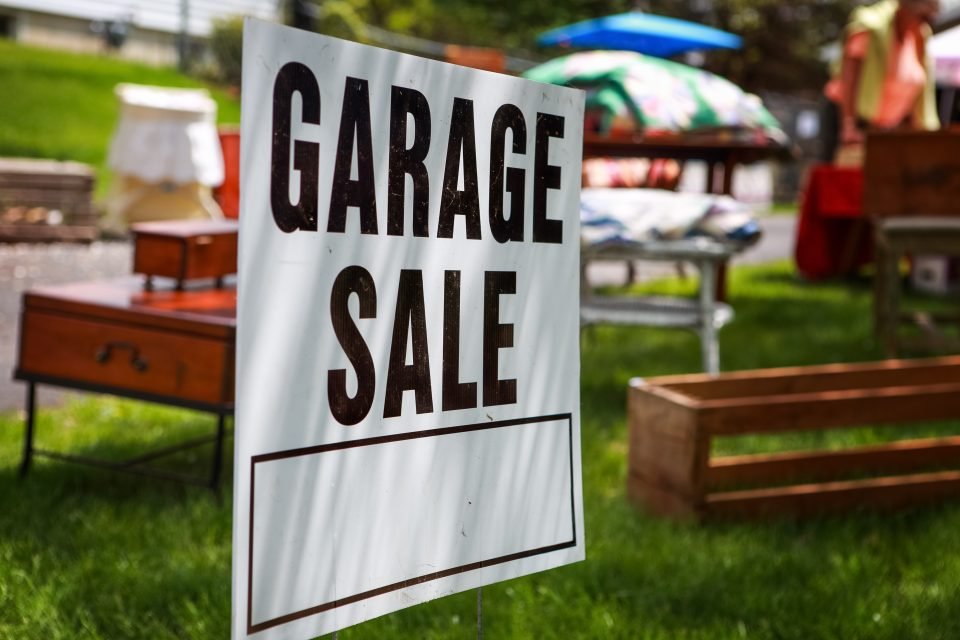
Post flyers on bulletin boards at local grocery stores or laundromats, or place signs at nearby intersections if regulations allow. Don’t forget to display a vibrant sign in front of your house, accompanied by balloons attached to your mailbox or a tree to attract attention.
Success Tips
*The larger your sale, the more potential customers you will attract. Collaborate with family, friends, and neighbors to host a significant event rather than several smaller ones.
*Consider organizing a street or neighborhood-wide sale, which can bring in shoppers from adjacent areas.
*Place large items like furniture or appliances in the driveway to catch the eyes of those passing by.