
By Family Features for American Heart Association | Contributor
Strokes can affect individuals of all ages, even younger populations. They stand as one of the primary causes of mortality and long-term disability in the U.S., yet strokes are largely preventable, manageable, and even reversible if risk factors are effectively controlled.
The American Stroke Association, a branch of the American Heart Association, reports that someone in the U.S. experiences a stroke approximately every 40 seconds. By managing blood pressure, adopting a healthy lifestyle, and being aware of stroke warning signs, you can help shield yourself and your loved ones.
Here are essential points from the American Stroke Association’s Together to End Stroke initiative, supported nationally by the HCA Healthcare Foundation.
Managing Risk Factors
According to the American Stroke Association, as many as 80% of strokes may be preventable. Proactively managing risk factors, particularly high blood pressure—which is a significant and controllable contributor to both stroke and heart disease—can lead to prevention.
Individuals with AFib have a fivefold increased risk of experiencing a stroke, as per the American Heart Association.
Other contributing risk factors include diabetes and obesity, which can be regulated through healthy lifestyle choices such as balanced nutrition. Cessation of smoking and regular physical activity are crucial elements. Atrial fibrillation (AFib), characterized by an irregular heartbeat, also heightens stroke risk. Indeed, individuals suffering from AFib are five times more likely to have a stroke, according to the American Heart Association.
Preventing Subsequent Strokes
Almost 25% of strokes occur in individuals who have previously experienced one, often due to a lack of awareness regarding the initial stroke’s cause, making it vital to identify these causes to prevent future incidents. Proper treatment is reliant on determining the type of stroke, which requires detailed medical assessments and testing.
Collaborate with your healthcare provider to create a recovery strategy following an initial stroke and to avert a secondary stroke. This strategy should focus on risk factor management, such as achieving and sustaining healthy levels of blood pressure, blood sugar, and cholesterol.
“Preventing another stroke is achievable with the right strategies,” stated Teresita Casanova, MD, a neurologist affiliated with HCA Healthcare and a volunteer expert for the American Stroke Association. “Adhering to prescribed medications, keeping track of health metrics, and implementing small but consistent lifestyle adjustments can yield significant results. Stroke survivors should be empowered to take charge of their health and establish a solid prevention plan with their healthcare team.”
You can utilize resources like the Heart & Stroke Helper, a complimentary self-management application designed for stroke survivors and their caregivers. This app allows users to monitor their health in one place, featuring tools to track lifestyle habits, manage medications, observe health metrics, provide stroke information, and allow users to connect for support and motivation.
“Adhering to prescribed medications, keeping track of health metrics, and implementing small but consistent lifestyle adjustments can yield significant results.”
Teresita Casanova, MD, HCA Healthcare affiliated neurologist and American Stroke Association volunteer expert
Explore additional strategies to mitigate the risk of a second stroke at Stroke.org.
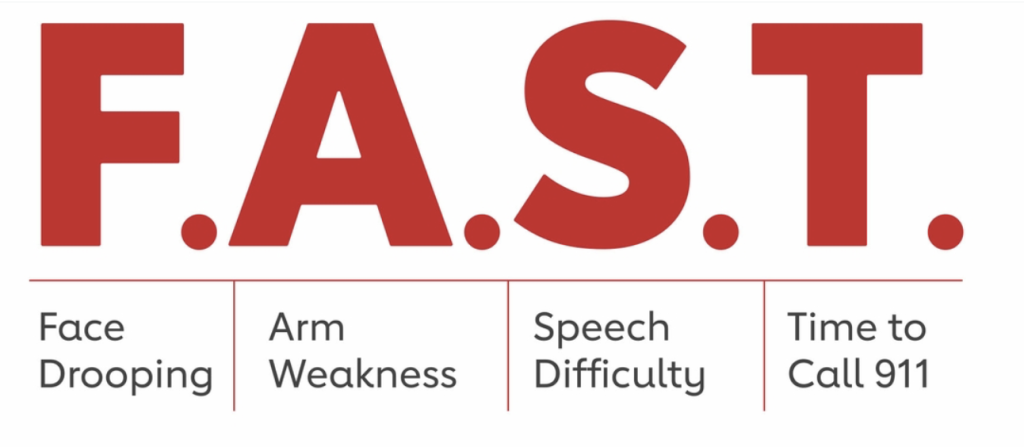
Recognizing Stroke Symptoms: Act F.A.S.T.
Many adults across the U.S. remain unaware of the warning signs of a stroke, and the reality is that strokes are highly treatable if emergency services are contacted promptly upon symptom recognition.
Familiarizing yourself with the acronym F.A.S.T. can assist in identifying potential stroke symptoms and facilitate life-saving intervention.
F: Face Drooping. Is one side of the face drooping or numb? Request that the individual smile. Is the smile symmetrical?
A: Arm Weakness. Is there weakness or numbness in one arm? Ask the person to lift both arms. Does one arm descend?
S: Speech Issues. Is their speech slurred? Are they unable to speak clearly? Challenge them to repeat a simple sentence, like “The sky is blue.”
T: Time to Call 911. If you observe any of these symptoms in yourself or someone else, it’s critical to call 911 without delay.