Authored by the American Heart Association
Think of your body as a vehicle that requires proper maintenance to keep the engine running smoothly during workouts. This involves nourishing yourself with wholesome foods and ensuring adequate hydration.
Optimal nutrition can significantly improve your athletic performance and help speed up recovery.
While there’s no need for a strict regimen or set rules, certain practices can benefit you during your workout routine, before, during, and after exercise.
Before: Prepare your body!
Neglecting to fuel your body prior to a workout is akin to operating a vehicle without gas. Inadequate energy can hinder your workout efficiency and limit calorie burning.
Ideally, aim to eat about two hours before exercising by:
- Staying hydrated with water.
- Consuming healthy carbohydrates, like whole-grain cereals (paired with low-fat or fat-free milk), whole-wheat toast, low-fat yogurt, whole-grain pasta, brown rice, as well as fruits and vegetables.
- Avoiding saturated fats and proteins, even if they’re deemed healthy, as they take longer to digest. This can divert oxygen and energy-blood from your muscles to assist digestion.
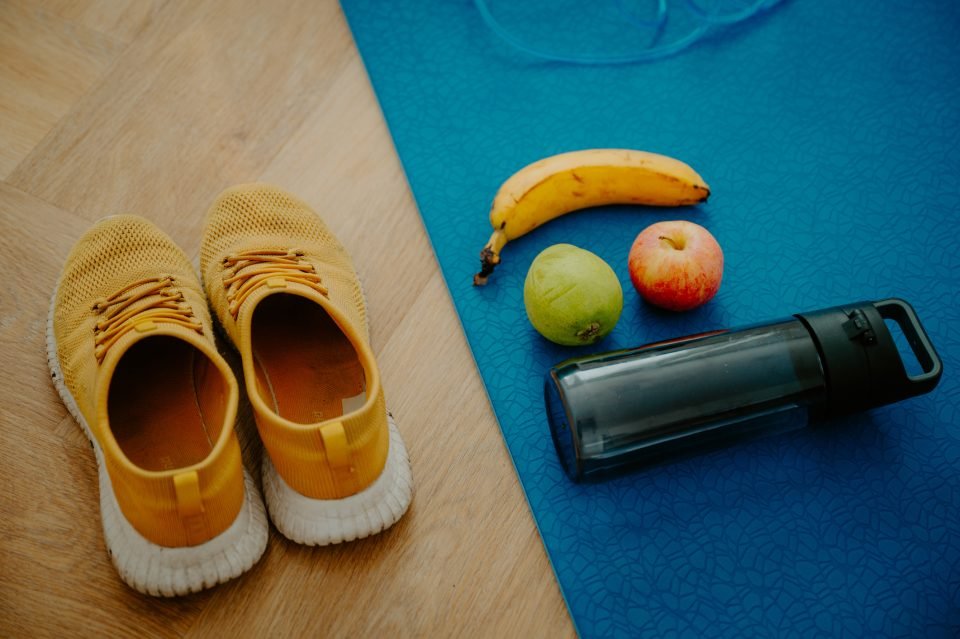
If you’re pressed for time and only have 5-10 minutes to spare before your workout, grab a piece of fresh fruit like an apple or banana.
The priority is to consume easily digestible carbohydrates which can help you avoid feeling sluggish.
During: Make time for hydration.
Regardless of whether you’re an elite athlete training for hours or someone following a moderate routine, ensure your body stays hydrated by sipping water regularly.
Generally, you won’t need to eat during workouts lasting less than an hour. However, for extended, high-intensity sessions, aim to ingest 30 to 90 grams of carbohydrates per hour from sources like low-fat yogurt, raisins, or bananas.
After: Restore your energy.
Post-workout, it’s crucial to replenish your body with:
- Fluids. Drink water, and for added flavor, consider infusing it with slices of lemon, lime, or cucumber. Alternatively, combine your water with 100% fruit juice, such as orange juice, which aids in hydration and provides carbohydrates. Consuming whole fruits or vegetables high in water content, like berries, melons, oranges, lettuce, or carrots, can serve as a refreshing and nutritious snack.
- Electrolytes. Restore electrolytes through food choices like fruits, leafy greens, low-fat dairy products, nuts, and seeds. These foods supply essential minerals that your body requires. Although sports drinks, powders, and tablets might help replace electrolytes, be wary as they’re often loaded with sugars and caffeine. Insufficient electrolyte replenishment can lead to dizziness, lightheadedness, or muscle cramps after exercise.
- Carbohydrates. Since you deplete a considerable amount of carbohydrates—the main source of energy for your muscles—when exercising, consume healthier carb options such as whole-grain pasta, bread, or brown rice within 30 to 60 minutes after your workout for better recovery and energy restoration.
- Protein. Incorporate healthy protein sources like skinless chicken breast, salmon, lean beef or pork, or plant-based options such as beans, lentils, nuts, and seeds. Protein is crucial for repairing and building muscles.
- Healthy fats. Opt for foods rich in unsaturated fats, including avocados, fatty fish (like tuna, salmon, or sardines), and various nuts. When cooking, choose non-tropical vegetable oils (like canola or sunflower) over solid fats like butter or coconut oil. These healthy fats are stored by the body, enhancing energy availability during endurance activities.
Remember that these are broad recommendations. Each individual’s digestive system varies, and much depends on the nature of your workout.
Experiment to see what suits you best. Be aware that what you consume (nutrition) holds equal importance to what you do (exercise). Together, both aspects are vital in optimizing your performance.
Discover more about the American Heart Association here.