By Katie McCallum | Houston Methodist
April 7, 2020–The question of whether to wear a mask during the coronavirus (COVID-19) pandemic has sparked significant discussion.
Initially, health authorities discouraged healthy individuals from using face masks to ensure that these essential medical supplies were available for healthcare workers. There was also concern that wearing a mask might create a false sense of security, leading individuals to spend more time outside their homes and neglect social distancing guidelines.
As the pandemic escalated, public health advice concerning face coverings has evolved. The Centers for Disease Control and Prevention (CDC) is now urging individuals to don cloth masks in public, particularly in areas experiencing considerable community transmission.
If you’re unsure about face mask guidelines, here are four essential points to understand regarding the updated recommendations on face coverings.
Guidelines evolved alongside our understanding
In the initial stages of the pandemic, it became apparent that implementing preventive measures was crucial to reducing the risk of COVID-19, including handwashing, maintaining social distance, and routinely disinfecting high-touch surfaces.
As the virus spread, we acquired insights into safety protocols for individuals displaying symptoms of COVID-19, such as following proper cough etiquette and observing self-quarantine measures.
But what happens if you’re infected yet unaware?
Research indicates that individuals can transmit COVID-19 even while asymptomatic, which has important implications. It can take between two to 14 days post-infection to exhibit symptoms, meaning those in close contact with you may be at risk during this latent period. Furthermore, some infected individuals may never experience any symptoms at all. Dr. Robert Redfield, the CDC director, noted that a notable fraction of those infected—potentially up to 25%—remain asymptomatic.
This growing understanding reveals that asymptomatic carriers are more common than previously believed and they indeed facilitate the virus’s spread.
In summary, you might feel perfectly healthy while still carrying the virus.
With this knowledge, the CDC now recommends that the wider population wear cloth face coverings to help mitigate the spread of COVID-19—particularly in high-transmission areas. This guidance is less about personal protection against the virus and more focused on preventing the inadvertent transmission of the virus to uninfected individuals.
A cloth face covering differs from a surgical mask
Having discussed the reasons behind the shift in recommendations, let’s clarify what constitutes an appropriate face covering.
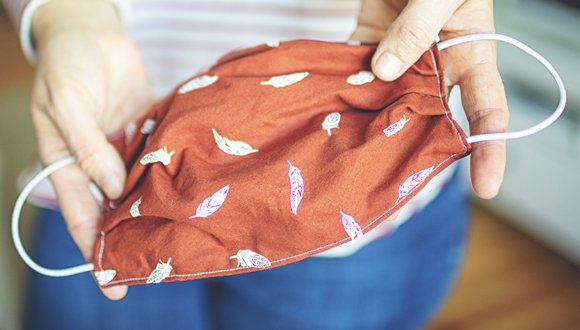
A cloth face covering refers to homemade fabric-based “masks” crafted from everyday materials, such as bandanas or old t-shirts.
It’s essential to note that cloth face coverings are not substitutes for surgical masks or N-95 respirators, which are necessary for healthcare professionals. If you possess unused surgical masks or N-95s, consider donating them to local medical facilities.
Proper usage of a face covering is vital
If you need guidance on how to create a cloth face covering, you’re not alone. The CDC offers detailed instructions for making various types of homemade cloth masks, including ones fashioned from just scissors and an old shirt, sewn masks, and bandana masks (involving rubber bands and a coffee filter).
Regardless of the type of covering you choose to make, keep these guidelines in mind:
- Do ensure it fits snugly against your face, covering both your nose and mouth
- Do secure it adequately (consider using rubber bands if necessary)
- Do use multiple layers of fabric
- Do wash it frequently in the washing machine
- Don’t allow it to impede your breathing
- Don’t touch your eyes, nose, or mouth while removing it; wash your hands immediately afterward
- Don’t use a mask that has lost its shape or effectiveness after washing
Additionally, cloth face coverings are not advised for certain individuals, including:
- Children under 2 years
- Those with breathing difficulties
- People who cannot safely remove the mask without help
Continue to maintain social distancing
While cloth face coverings are now recommended to help curtail the COVID-19 spread, this approach does not eliminate the necessity for social distancing or any active stay-at-home directives.
Social distancing remains our most critical community measure to “flatten the curve”—protecting vulnerable populations and alleviating strain on healthcare systems. Ongoing epidemiological research continues to indicate that a relaxation of social distancing could lead to a surge in COVID-19 cases.
This means that having a cloth face covering on hand does not mean you can abandon staying home and keeping a six-foot distance from others when you venture out.
Worried you may have COVID-19?
If you are displaying symptoms of COVID-19, consider consulting a Virtual Urgent Care provider, available 24/7. They can help determine if you require testing and guide you on the next steps.
For further details, visit https://www.houstonmethodist.org/blog/articles/2020/apr/coronavirus-what-you-need-to-know-about-the-new-cloth-face-covering-recommendations/