By Kimberly Blaker | Contributor
Is your garage, basement, or closets packed with items you’ve kept “just in case”? If so, it might be time to find them a new home—specifically, in someone else’s. Organizing a garage sale is an excellent opportunity to declutter, recycle, and even earn some extra money. Utilize these tips to ensure a successful sale while creating a more organized living space.
The selling space
Hosting your sale in the garage is often ideal, as it provides shelter and minimizes daily preparation and clean-up. If your garage is difficult to access, concealed, or filled with valuable items that are hard to secure, consider utilizing a porch, patio, or your yard. Have tarps on hand to shield your merchandise from rain and for covering items at the end of the day.
Timing is key
Schedule your sale when outdoor temperatures range from 60 to 90 degrees. Generally, weekends are the most favorable times, particularly between Thursdays and Sundays, with Fridays and Saturdays attracting the highest foot traffic. Mornings, especially around 7:30 or 8:00 a.m., tend to draw the biggest crowds of shoppers.
Showcasing your items
Avoid piling your goods on tables or leaving them stuffed in boxes, as this deters most potential buyers. While some customers may not mind rummaging through disorganized stacks, the majority prefer a more appealing display.
Maximize hanging space for clothing. Consider using a laundry pole, portable closet, or a simple DIY solution with support brackets and a rod. For larger quantities, a ladder between two stepladders or a clothesline can also work. Ensure ample table space by borrowing folding tables—if necessary, create a table using plywood and sawhorses or prop planks between chairs. Keeping smaller items off the ground enhances visibility.
Neatly fold and stack un-hangable clothing on tables, labeling them by size. Organize toys and complete sets where they are easily within reach of parents and grandparents. Create a ‘guy’s table’ featuring hand tools, gadgets, and home repair supplies. For smaller articles like jewelry, use divider containers or egg cartons for easy viewing.
For small toys, consider using boxes on the ground where children can sift through and find treasures. Clearly label the boxes with pricing or let them choose an item as a reward.
Lastly, provide batteries or a power source to demonstrate that items are functional.
Presentation matters
The appearance of your second-hand goods significantly influences their sale potential and pricing. Make sure all clothing and linens are washed and dried prior to displaying, immediately folding or hanging them to avoid wrinkles. Clean toys, tools, and household items to remove any dust and grime, and fix any damaged items if possible.
Setting the right prices
Avoid overpricing; doing so might leave you with more unsold items than you started with. For larger items, research typical resale prices via classified ads. Quality items in excellent condition can fetch 25% to 35% of their original price, while some tools and equipment in limited supply could be priced around 50% to 60% depending on their age and condition. Most second-hand items will typically sell for 5% to 10% of their original value.
Promotion
Utilizing classified ads in newspapers or platforms like Craigslist is known to yield good results unless your location is along a major road. Be sure to include your address, main cross streets, sale dates and times, along with key items available. Individually list significant items, and provide categories for other goods like “tools” or “children’s clothing.”
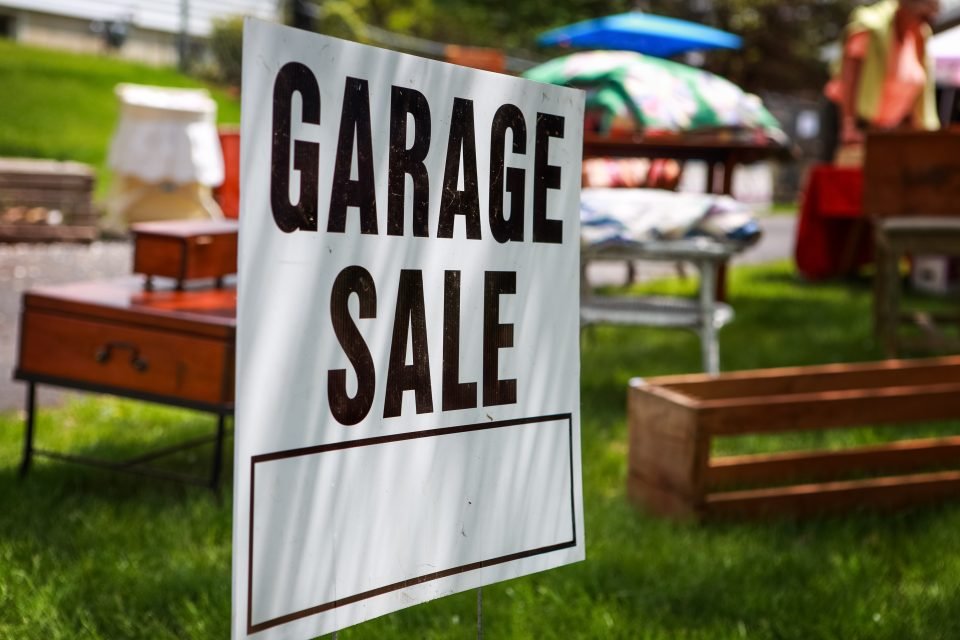
Additionally, put up flyers on bulletin boards at grocery stores or laundromats, and, if allowed, post signs at nearby intersections. Place a bright sign in front of your house and consider using balloons tied to your mailbox or a tree to attract attention.
Keys to a successful sale
*Larger sales often result in higher foot traffic. Collaborate with family, friends, and neighbors to coordinate one major sale instead of multiple smaller ones.
*Consider organizing a street or neighborhood-wide sale, which can draw buyers from adjacent areas.
*Position larger items like furniture or appliances in the driveway to catch the eye of passersby.