By American Heart Association | Contributor
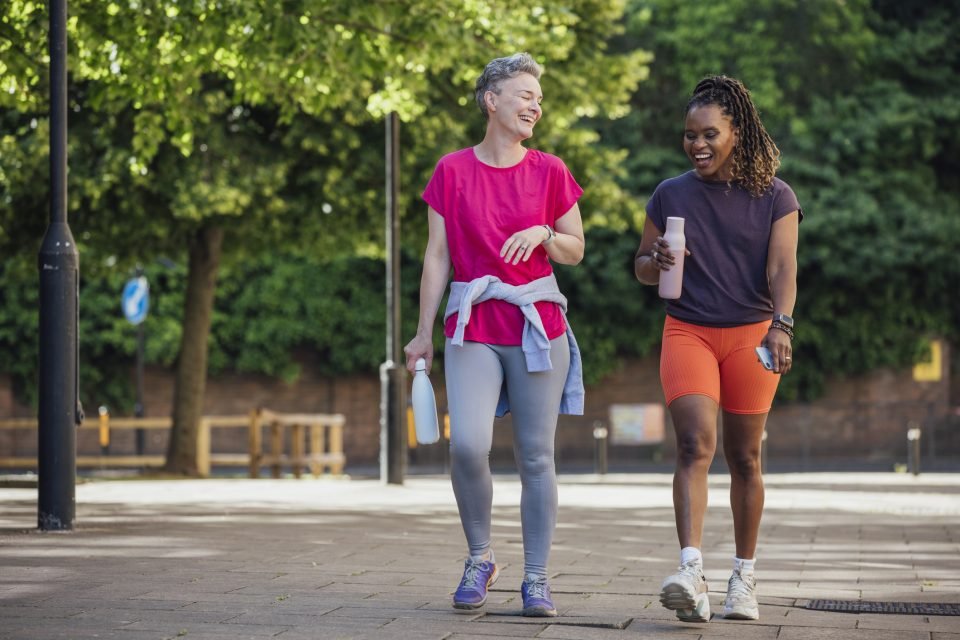
Walking has become a popular and straightforward method for staying active. Explore these suggestions to kick off your fitness walking journey and gain further insights.
Engaging in physical activity can take many forms, but walking stands out as one of the simplest options! It’s generally safe for most individuals, easy to maintain, and requires little to no financial investment. No special training or tools are necessary. Despite its simplicity, the advantages of walking are numerous.
Studies indicate that brisk walking for at least 150 minutes weekly can:
- Enhance your cognitive function, elevate your mood, and improve your sleep.
- Lower the risk of severe health conditions such as heart disease, stroke, diabetes, and various cancers.
- Normalize your blood pressure, blood sugar, and cholesterol.
- Boost your energy levels and endurance.
- Support your emotional and mental health while decreasing the chances of depression.
- Enhance memory function and lessen the likelihood of dementia.
- Strengthen bones, thereby minimizing the risk of osteoporosis.
- Help you maintain your weight.
If reaching 150 minutes seems daunting, keep in mind that you can accumulate shorter walking sessions throughout the week. Fitting in a few minutes of walking multiple times a day is quite manageable. For example, a brisk 10-minute walk after breakfast, lunch, and dinner can make a difference.
Walking vs. Running
Interestingly, more Americans choose walking for exercise than running. Whether due to a lack of interest in running or a prior injury that limits your ability to run, walking is still a beneficial choice—every step contributes to your health. Brisk walking can be as effective for your well-being as running.
How to Walk for Fitness
- Choose the right gear. To start, all you need are comfortable clothes and supportive shoes. Dress in layers to help regulate your body temperature. While specific walking or running shoes are ideal, they aren’t mandatory. Ensure there’s a bit of space (around half an inch) between your longest toe and the shoe’s end. Opt for moisture-wicking socks to prevent blisters.
- Take it slow. If you’re new to exercise, begin with shorter distances that feel comfortable (around 10-15 minutes) and gradually extend your walking time or distance. If it’s easier for you, consider splitting your walks into shorter 10- to 20-minute sessions throughout the day rather than one extended walk.
- Maintain proper form. Keep your head up (hands off the phone!), engage your core, and relax your shoulders. Let your arms swing naturally. Avoid carrying heavy items or weights which could strain your elbows and shoulders—try using a backpack instead. Walk with a comfortable stride.
- Focus on your breathing. If you find it difficult to speak or catch your breath while walking, slow your pace. Initially, focus less on speed and more on simply getting outside and walking!
- Increase your pace gradually. Start your walk at an easy pace for the first few minutes, then slowly ramp up your speed.
- Introduce variety and challenges. Experiment with brisk intervals—walk one block quickly, then two blocks at a slower pace, and repeat. With time, you’ll be able to increase the duration of the fast intervals and decrease recovery time. Tackling hills or stairs can further enhance muscle strength and calorie burn.
- Incorporate stretching. The end of your walk is an ideal time to stretch once your body is warmed up. Focus on your hamstrings, calves, chest, shoulders, and back, holding each stretch for 15 to 30 seconds.
- Monitor your progress. Include walking in your daily routine whenever possible. Several brief walks throughout the day can add up. Over time, incorporating longer walks will help you build stamina, while keeping in mind your goal of at least 150 minutes each week.
Stay Safe While Walking
- Stay vigilant. While upbeat music can keep you motivated, keep the volume down if you’re using headphones to stay aware of your surroundings. Avoid texting or staring at your device while walking; focus on your path instead.
- Make yourself visible. Wear light-colored or reflective clothing and carry a flashlight or glow stick if you’re walking in low light conditions (it can be fun!).
- Exercise caution. Sidewalks are preferable for walking, but if you must walk on the street, choose those with lower speed limits and ensure you’re visible to drivers.
- Be familiar with your surroundings. Know which businesses are open during your walking times and the location of emergency phones. Stick to well-trafficked streets rather than shortcuts through alleys or parking lots.
- Listen to your body. If you experience pain in your feet, knees, hips, or back while walking, stop and consult with your healthcare provider to determine the cause. You might need different footwear or other forms of exercise, such as cycling or swimming. However, don’t give up—find the activity that suits you best.
Just Walk
If you haven’t been active for some time, don’t worry! Just begin at your own pace. Progress can be incremental; it’s about taking one step at a time. For those already active, consider these simple ways to incorporate more walking into your daily routine:
- Take your dog for a walk.
- Avoid prime parking spots and park further away from your destination, whether it’s work, school, or the grocery store.
- Opt for stairs instead of the elevator, even for a floor or two.
- Catch up with a friend while walking around the block during a phone call.
Discover more about the American Heart Association here.