By Dr. Dean Beckloff | Contributor
The emergence of COVID-19 has significantly disrupted our daily lives and, for many, has threatened personal livelihoods. It has been challenging to witness the experiences of those affected by the virus, including those who have faced severe illness and those who have tragically passed away. The resulting stress has imposed personal challenges on us and our families. We are inundated with a plethora of information, much of it conflicting, and our primary concern remains the safety of our loved ones and the healthy development of our children during this crisis.
Our youth, particularly teenagers and college students, have been impacted in distinct ways. Significant milestones such as proms, which are pivotal for high school students, have been canceled. Many graduating seniors may experience altered graduation ceremonies—or none at all. Traditional celebrations have been replaced with uncertainty, and students have faced confinement to home-based learning. Despite schools’ efforts to adapt, academic performance has undeniably been affected. For instance, a high school junior I spoke with, a talented soccer player, now finds his training reduced to drills sent by his club coach, raising concerns about his future scholarship opportunities.
Meanwhile, college students have faced similar disruptions: uprooted from their campuses and forced to complete their education online. This transition has had a wide-ranging impact, extending beyond academics to include the critical social interactions that define college life. Graduating seniors are missing out on the excitement of commencement, the celebrations, and final farewells with peers and faculty—many did not even get to say goodbye to their roommates.
The sense of missing out is tangible; they have been deprived of their social networks, significant school events, cherished friendships, and, fundamentally, their dreams. This reality ushers in a tumult of emotions—anxiety, stress, anger, disappointment, and grief. Some may grapple with a sense of guilt, feeling that their losses are trivial compared to those of others who have faced severe consequences from the virus. However, their experiences are valid. The process of grieving is universal, affecting everyone, whether it be through loss of employment, financial instability, or the passing of loved ones. The emotional toll is significant, and we, as parents, must recognize both our struggles and those of our children. The key question remains: How can we support them?
Life invariably presents formidable obstacles. As parents, we must model resilience for our children. They need to witness our ability to rise, dust ourselves off, and actively seek paths forward, fostering hope and courage. It’s crucial to cultivate a proactive mindset while also acknowledging the grieving process for our children’s losses. We must grieve not only for their dreams interrupted by this harsh reality but also for our own desires for their futures.
In leading by example, here are several key thoughts to consider:
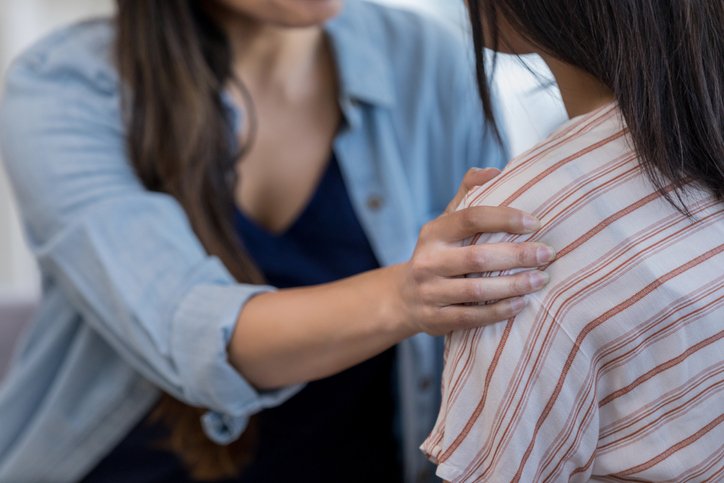
- Support your teen or young adult through their grief. Acknowledge their feelings of loss as they navigate their grief journey. Avoid trivializing their experiences with platitudes—allow them to process their disappointment at their own pace and encourage them to ultimately reach acceptance when they are ready.
- As they work towards acceptance, it may be valuable to normalize this difficult experience, helping them understand that life inevitably includes losses, including the loss of aspirations.
- Encouraging gratitude for the present can serve as a way to overcome our losses. Finding joy in the small everyday moments of life is essential. While it may seem minor, practicing gratitude for the beauty in life is profoundly impactful. This unique time spent together as families might not recur, and learning to appreciate it now can create lasting memories.
- In the words of Mr. Rogers, “Look for the helpers” in times of crisis. Throughout the COVID-19 pandemic, we have seen countless individuals stepping up to assist others. Frontline medical personnel have worked tirelessly to save lives, but many others have shown kindness to our teens and young adults. I was moved by a story of a high school principal personally delivering congratulatory signs to each of his students, demonstrating his commitment to celebrating their achievements. From school officials honoring graduates to spontaneous acts of kindness, there are numerous helpers to recognize and appreciate. Acknowledging these efforts can restore hope and inspire us to extend help to others.
Perhaps this is the ultimate lesson: We can all be helpers. When we believe in the difference we can make in others’ lives, we cultivate genuine self-esteem. There are many ways we can contribute, even in small manners. Our children need to process their grief, and it’s acceptable for them to feel sadness. However, we can guide them in rising up, appreciating the good around them, and in turn, reaching out to support someone in need.
“COVID-19 can’t cancel community. Or generosity. Or kindness.”
Editor’s Note:Dr. Dean Beckloff is a pediatric therapist, school counselor, and trainer known for his work with children and families facing challenges such as divorce. He founded the Beckloff Behavioral Center in Dallas. For questions, comments, or consultations, contact Dr. Beckloff at:DrBeckloff.com / 972.250.1700
ABOUT DR. DEAN BECKLOFF:
 Dr. Beckloff runs an active counseling practice in Dallas, focusing on issues affecting children and families undergoing divorce. He has extensive experience in various educational settings, extensive training in school counseling, and contributions at the Center for Play Therapy at the University of North Texas. He is passionately involved with community initiatives aimed at assisting children and families in thriving amidst life’s challenges.