By Justin Todd, co-founder of AddictionResource.net | Guest Contributor
The prevalence of nicotine pouch usage among high school students in the United States has nearly doubled from 2023 to 2024, raising significant health concerns. This alarming increase poses risks such as addiction, detrimental effects on brain development, oral irritation, and other issues.
The rising addiction rates linked to teenage use of nicotine pouches represent a new public health challenge that demands urgent action. Research conducted by USC’s Keck School of Medicine indicates that 5.4 percent of high school students engaged with nicotine pouches in 2024, compared to three percent in 2023. This dramatic increase may be attributed in part to the influence of social media “Zynfluencers” who promote these products, associating them with enhanced mental clarity, self-assurance, and masculinity, effectively sidestepping traditional tobacco advertising restrictions.
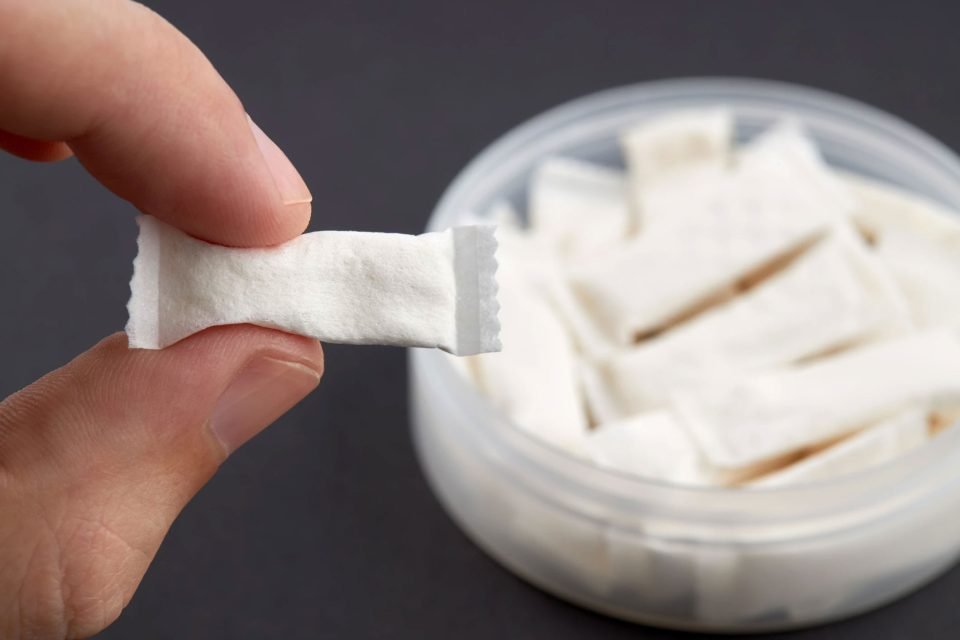
Nicotine pouches are small sachets filled with nicotine powder, flavoring, and other additives, which users place between their lip and gum. Because they don’t involve spitting and dissolve completely in the mouth, users can absorb nicotine through their gums. These products come in a variety of flavors, including cinnamon, citrus, mint, and coffee, and are produced by major tobacco companies as “tobacco-free” substitutes. It’s important to note, however, that they contain the highly addictive substance nicotine in concentrations comparable to traditional tobacco items.
Statistics On Nicotine Pouch Use In Teenagers
Insights from the “Monitoring the Future” study, which surveyed over 10,000 high school students nationwide, reveal a swift rise in nicotine pouch adoption among youth. While e-cigarette usage dropped from 20 percent in 2023 to 17.6 percent in 2024, the use of nicotine pouches saw an astounding 80 percent increase. Both past month and past year usage statistics demonstrate significant upticks, indicating that teenagers are using these products more regularly rather than merely experimenting.
Additionally, there’s a troubling uptick in the combined usage of e-cigarettes and nicotine pouches, which rose from 2.1 percent in 2023 to 3.6 percent in 2024—reflecting a 71 percent increase. This pattern suggests that many adolescents are supplementing their vaping habits with nicotine pouches, heightening both their overall nicotine exposure and addiction susceptibility. The highest rates of usage are among male students, non-Hispanic white youths, and those in rural areas. In 2024, 1.8 percent of middle and high school students reported having used nicotine pouches, while only 2.9 percent of adults acknowledged ever using these products, with a mere 0.4 percent claiming to use them currently.
How Using Nicotine Pouches Negatively Affects Health
The health repercussions that arise from nicotine pouch usage touch various aspects of physical, mental, and emotional well-being. Immediate physical effects may include oral sores, gum irritation, and damage to oral tissues due to the contact with nicotine. Elevated nicotine levels pose serious concerns for cardiovascular health, including increased heart rates and higher blood pressure.
The long-term health effects remain largely uncertain since these products have been on the market only since 2016. Nevertheless, researchers are wary of potential cancer risks, deterioration of oral health, and other implications of prolonged exposure to nicotine. Unlike FDA-approved nicotine replacement therapies, nicotine pouches are not sanctioned as tools for smoking cessation and carry inherent risks for individuals who have never smoked.
Nicotine Is Addictive
Nicotine is a highly addictive substance that can lead to dependency rapidly, particularly among adolescents. This swift development of addiction is perilous with nicotine pouches, as their discreet form allows for easier concealment compared to cigarettes or vaping devices, which produce visible smoke or vapor. Studies indicate that teenagers who use nicotine products are more likely to become addicted to other substances as well.
Brain Development Harm In Young Adults
The adolescent brain continues to mature until approximately age 25. During this critical period, nicotine use can alter brain structure and have long-lasting effects even after discontinuation. The prefrontal cortex, which is essential for decision-making, impulse control, and other executive functions, is particularly vulnerable to the effects of nicotine. Young adults who consume nicotine pouches may experience cognitive deficits that impair their academic and professional performance.
Attention, Learning, Mood, And Impulsive Control In Adolescents
Using nicotine during adolescence can significantly compromise cognitive functions tied to attention, learning, mood stability, and impulse regulation. Attention-related challenges may present as difficulties concentrating in the classroom, trouble following instructions, and an inability to maintain focus on tasks. Additionally, learning and memory capabilities can suffer, with research indicating that young users of nicotine exhibit a reduced capacity to absorb new information and retain lasting memories. Increased irritability, anxiety, and depressive symptoms are also prevalent among teens using nicotine, often persisting even after quitting.
The Role Of Flavors And Social Media Marketing
The availability of flavored nicotine pouches is a calculated tactic by the tobacco industry, designed to mask the unpleasant taste of nicotine with appealing flavors such as bubble gum, cotton candy, and various fruits. The World Health Organization (WHO) categorizes these enticing flavors as “youth-friendly bait,” which can transform health-hazardous products into seemingly innocuous treats, potentially accelerating addiction rates.
Moreover, social media has emerged as a primary platform for marketing nicotine pouches, with young influencers—termed “Zynfluencers”—effectively promoting these products by linking them with feelings of confidence, clarity, and enhanced social standing. Sales figures illustrate the impact of this marketing strategy, with nicotine pouch sales skyrocketing from 126 million in 2019 to 808 million by March 2022.
Preventing Nicotine Pouch Addiction In Teenagers
Addressing the escalating issue of teen nicotine pouch addiction necessitates the concerted efforts of parents, educators, healthcare professionals, and policymakers. The following prevention strategies may prove to be effective.
Recommended prevention strategies include:
- Educators, parents, and pediatricians should be trained to recognize the signs of nicotine pouch use, including small white packets, atypical oral behaviors, mouth sores, and mood shifts.
- Families ought to engage in open discussions about nicotine products, clarifying that “tobacco-free” does not equate to “harm-free.”
- Schools should revise their anti-smoking educational programs to incorporate information about nicotine pouches, marketing techniques, and associated health risks.
- Adolescents need to be informed about influencer marketing strategies and how companies utilize social media to promote addictive products.
- Medical professionals should be equipped to identify nicotine pouches, understand their health impacts, and provide resources for cessation.
Combining these strategies offers the best chance for effective prevention, recognizing that addressing nicotine pouch use requires a distinct approach from previous efforts aimed at reducing tobacco use.
How To Help A Teen Facing Nicotine Pouch Addiction
When parents become aware that their teen is misusing nicotine pouches, it’s vital to explore the reasons behind their use rather than immediately resort to punishment. Teens are more likely to be open about their usage and seek help if they don’t fear severe repercussions. Parents should educate themselves on nicotine addiction and recognize that their child might be grappling with a chemical dependency that could necessitate professional assistance.
Healthcare professionals can evaluate the severity of the addiction, suggest evidence-based cessation methods, and monitor the teen for withdrawal signs. Although the FDA has approved certain medications for smoking cessation, while not specifically sanctioned for nicotine pouch addiction, a healthcare provider can assess the appropriateness of such treatments. Coupling these interventions with counseling greatly enhances the likelihood of a successful quit attempt.
For further information and complimentary resources for individuals dealing with addiction and mental health challenges, visit AddictionResource.net.
Editor’s Note: This content is not intended to serve as a substitute for professional medical advice, diagnosis, or treatment, nor does it constitute medical or other professional guidance.