By Family Features| Contributor
As the heat of summer approaches, backyards become lively havens for various bird species, particularly hummingbirds. The blossoming of flowers and the arrival of migratory birds like warblers signal the perfect moment to prepare your garden for these fascinating creatures.
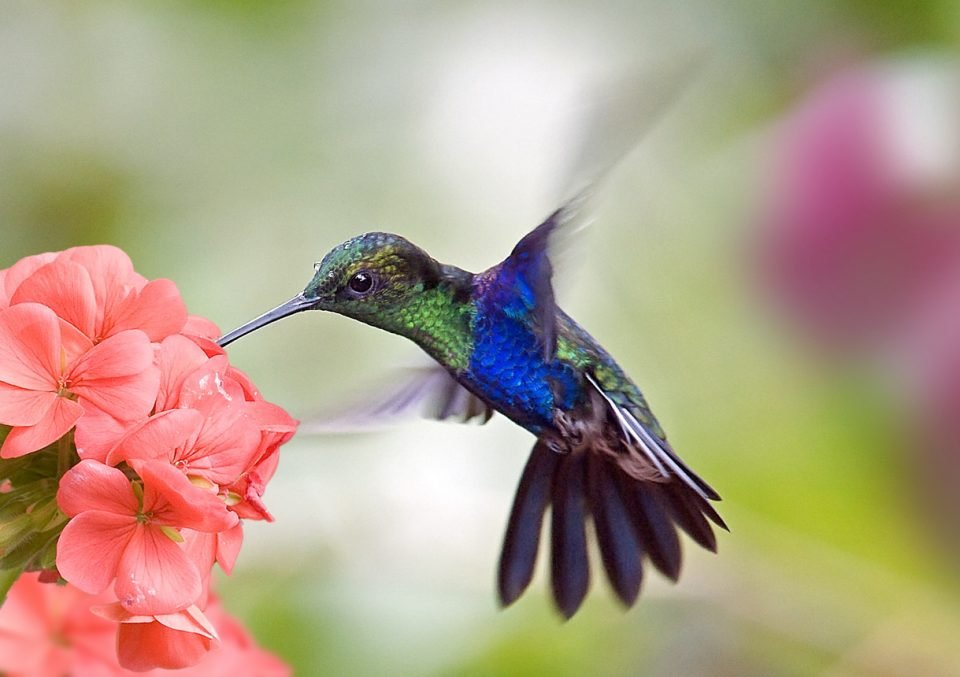
It’s a delightful sight to watch hummingbirds, known for the distinctive humming noise made by their rapidly flapping wings. These diminutive birds can reach speeds of 25-30 miles per hour and flap their wings up to 70 times a second. They possess the unique ability to fly in any direction, including backwards, and can hover gracefully in mid-air.
The vibrant colors of hummingbirds stem from the iridescence of their feathers rather than from pigments. Additionally, they have the fastest metabolism of any creature on the planet, requiring the energy equivalent to 1-2 times their body weight in food each day. When sourcing nectar, they can lap it up nearly 12 times every second.
To enhance your likelihood of seeing these small marvels in your own yard, consider the following expert advice from Cole’s Wild Bird Products:
Attract beneficial insects. Hummingbirds benefit from insects, which provide vital protein to supplement their nectar diet. To draw in these insects, try placing overripe fruit near your feeders and allowing it to stay until the insects arrive as a food option for hummingbirds.
Keep spiderwebs intact: Hummingbirds utilize spiderwebs as building material for their nests and for capturing insects entangled in the webs.
Install a water mister: Hummingbirds enjoy bathing and a mister can create the fine mist they prefer. Once they’re drenched, they will look for a spot to preen themselves.
Provide small perches. Leave behind sturdy, bare branches that are small enough for hummingbirds to rest on, preen, and scout for food. These perches serve as lookout points for potential threats and are ideal launch pads for catching insects. Once they spot a favorite perch, they will frequently return to it.
Hang feeders early. Feeders are one of the best ways to regularly attract hummingbirds to your garden. However, it’s important to choose quality feeders. For instance, the Cole’s Hummer High Rise Feeder features elevated perches that help hummingbirds feel secure, encouraging them to return consistently.
While hummingbird feeders may also attract bees and ants, this feeder is specially designed to deter pests. It won’t drip, preventing large bees from reaching the nectar, and includes an ant moat to keep ants out when filled with water. Since birds can also drink from this moat, avoid using any repellents or additives.
Given that hummingbirds can be quite territorial, it is advisable to hang several feeders spaced sufficiently apart to bring in more birds. To maintain a steady flow of birds, place feeders in shaded areas to prevent the sugar solution from fermenting, inspect feeders every two weeks to refresh the food, and clean them as needed using a mixture of one part white vinegar to four parts water.
Plant specific flowers. Plants such as trumpet honeysuckle, bee balm, and sage are especially appealing to hummingbirds, supplying abundant nectar. Hummingbirds typically consume one-and-a-half times their weight daily, feeding every 10-15 minutes, and visiting up to 2,000 flowers in a single day.
Select the right nectar. Not all nectar options are equal, and hummingbirds can detect the differences. Most commercial nectars contain just one sugar source—sucrose—due to cost efficiency. In contrast, natural flower nectar includes three types of sugars—sucrose, fructose, and glucose—present in varying ratios depending on the flower species.
Engineered to attract a diverse range of hummingbirds, Cole’s Nature’s Garden offers a nutritionally rich nectar that combines all three types of organic sugars favored by North American hummingbirds with spring water, mimicking their preferred sugar ratios and providing a healthy alternative to standard table sugar.
Remember, hummingbirds have remarkable memories; once they find a consistent food source in your bird-friendly garden, they will return year after year. For further insights, visit coleswildbird.com.