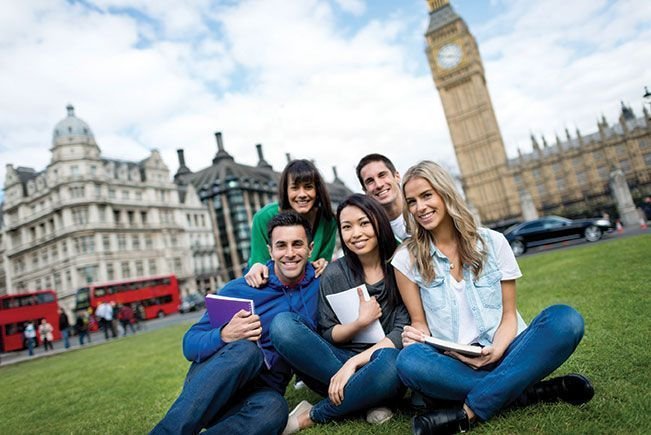
Attention college students: Looking to secure a job post-graduation? Engaging in a study abroad program could be your answer. This sentiment was highlighted in a 2013 survey conducted by StudentUniverse, an organization dedicated to facilitating global travel for students since 1999.
Defining Study Abroad
Most study abroad initiatives in the United States are partnered with universities, providing students a diverse selection of courses, encompassing fields like arts, literature, and sciences. These programs can range from several weeks to months, with semester-long and summer options being particularly favored.
The allure of studying abroad in Europe was prominent among U.S. students surveyed by StudentUniverse, with cities like London, Paris, and Madrid leading the preference list. Notably, cities like Beijing and others in Asia also featured among the top ten desired destinations, with predictions of increasing interest in China in the coming years.
Study Abroad Experience Linked to Employment
In the past, college graduation typically meant immediate job placements for many, but current trends show an increasing number of graduates returning home to search for jobs. This makes the data from the survey even more compelling:
- 75%* asserted that their study abroad experience significantly influenced their career decisions
- 94% included their study abroad experiences on their resumes
- 88% reported that it aided them in securing employment
*Numbers are approximate.
This last statistic is striking, but there’s more from a 2012 survey by IES Abroad, known as a premier provider of study abroad programs for U.S. students:
- Nearly 90% of IES Abroad alumni reported having secured their first job within six months of graduation, compared to just 49% of graduates from a recent general college population survey who found work within a year.
Does this indicate that all study abroad participants easily land great jobs? Not necessarily. However, there are other invaluable experiences gained along with the education.
 “Studying abroad in China allowed me to enhance my intercultural competence. During the semester, I learned beginner Mandarin and even took calligraphy classes. I built lasting friendships with fellow students and local individuals throughout my stay.
Overall, my time in China was a pivotal capstone to my college journey.”
-Jordan Myint, graduate of Claremont Colleges, reflecting on his experience in China.
Helpful Hints for Aspiring Study Abroad Students
If studying abroad interests you, now is the best time to start planning. Space in programs can be limited, so engage with your school and decide on your preferred destination. Here are some essential tips to consider:
Start checking flight prices around five months in advance. Aim to book your tickets no later than six weeks before departure.
Winter offers the best deals for flights to Europe. Spring and fall are also reasonably priced, while summer is peak season with higher fares.
Pack smartly. Avoid overpacking to evade hefty airline fees for excess baggage. Light packing can save you a lot.
Budget for extra travel. You’ll likely want to explore beyond your host city. Traveling by air can be affordable, especially within Europe, where budget airlines such as EasyJet, Wizz Air, and Ryanair are available (though be cautious, as these carriers often impose additional fees).
Enjoy the journey. However, don’t forget to prioritize your studies too!
Visit FareCompare.com for additional travel advice and savings.
___________________________________________________________________________
Study Abroad: A Challenging Yet Rewarding Journey
By Bayla Pidgeon | Contributor
I spent my fall semester studying at Sciences Po University in Paris during my junior year as an undergrad at Georgetown University, majoring in International Politics and Security Studies. Given my field of study, it was practically a requirement to spend some time abroad. Georgetown facilitated my transfer, allowing me to enroll directly at the university in Paris, where all five of my courses were conducted entirely in French. With eight years of French studies behind me, I believed I would manage well. Adjusting was definitely challenging, but I ultimately thrived. I absolutely adored living in Paris. Having heard countless wonderful tales about studying abroad, I can confidently say my experience was just as incredible. There are, however, a few lessons I wish I had learned beforehand:
- Avoid overpacking! I came to dislike much of what I brought and ultimately purchased new clothing to align with the Parisian style, resulting in excessive baggage fees upon return.
- Practice the language whenever you can. Daily classes in French were often a relief compared to conversing in English with my American peers. However, my fluency would have dramatically improved if I had committed to speaking French more often, as many of my peers did.
- Studying abroad is not easy for anyone. It often requires a major cultural adjustment. Expect to encounter some challenging days filled with uncertainty. You might feel overwhelmed at times, but looking back, the rewarding moments will stand out.
- Some practical advice: secure a credit card with a chip. All major credit card companies offer these upon request, as many places in Europe only accept cards with chips. Lacking one may reveal your status as a tourist.
Additionally, I gained invaluable lessons during my time abroad that enriched my experience:
- I discovered the joys of solitude and embraced it. While living in a homestay, away from friends, I often wandered alone. For many, myself included, this may be a challenge, but exploring new surroundings at your own pace can lead to deeper self-reflection.
- Taking risks is vital! A cheap flight may lead to an exciting weekend getaway, or you might decide to accept an invitation for a coffee date from a charming stranger. Be adventurous—ride a bike through crowded streets, hike new trails, and sample various cuisines. For me, this was the first time I felt empowered to step out of my comfort zone. I opted for a drastic haircut, explored a beautiful Portuguese island, and ventured to the Loire Valley with friends during the chilly off-season, with our plans largely improvised. Without these spontaneous adventures, my experience wouldn’t have been nearly as memorable.
- Remember that not all situations are as dire as they seem. If challenges arise, view them as learning moments. Upon my arrival in France, I faced difficulties fitting in and endured some harsh feedback from professors. There were days I questioned whether I could endure, yet I not only persevered but learned to navigate tough situations independently.
Lastly, seize every opportunity to explore Europe. My friends and I visited several places, but we regrettably delayed some travels until it was too late. With many affordable flights and train passes available, there’s little excuse for not exploring. On the plus side, it’s an excellent reason to plan future trips back.
 In summary, I would not trade my study abroad experience for anything. I formed lasting friendships, witnessed spectacular sights, took significant risks, engaged with a new culture, and notably improved my French skills. Above all, I discovered my preferences, boundaries, and capabilities. Study abroad provided me with insights that are invaluable and beyond what any classroom could offer.
Bayla, pictured in the middle with fellow students in Paris, is a graduate of ESD and is currently a junior at Georgetown University.