By Sandi Schwartz | Contributor
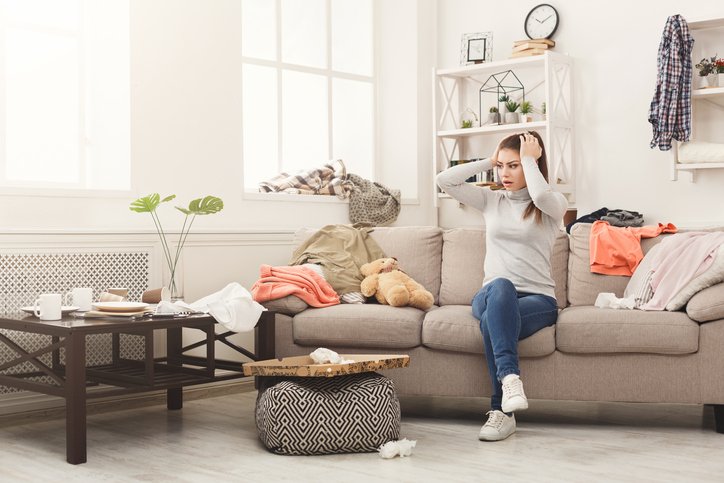
Have you found yourself raising your voice at your children about the disarray in your home? Surprisingly, that mess is not just a source of irritation for you; it affects the entire family. The presence of clutter is associated with increased levels of stress and anxiety. Research conducted by UCLA’s Center on Everyday Lives and Families (CELF) reveals a direct correlation between the clutter in a home and the stress levels experienced by its occupants. What lies behind this phenomenon, and how can we address it?
Understanding the Stress Induced by Clutter
It’s easy to see why ongoing exposure to disorganized spaces—whether it’s stacks of papers, scattered toys, random photos, laundry, or gadgets—can negatively impact our mental well-being, but the underlying reasons are multifaceted. Living in a chaotic environment can induce feelings of anxiety, helplessness, embarrassment, and even shame. It’s possible that we may not even realize clutter is the root cause of our stress, especially if it has become a permanent fixture in our lives.
Anxiety about clutter can lead to further stress-related complications in our lives, including sleep disturbances and strained relationships.
Clutter contributes to our stress for various reasons:
- It bombards our minds and overwhelms our senses.
- It distracts our focus.
- It persistently signals to our brain that more tasks are awaiting completion.
- It hampers our ability to unwind, both mentally and physically.
- It can provoke feelings of guilt and embarrassment when hosting guests, as we worry about judgment for our living conditions.
- It leads to frustration when we struggle to locate essential items. As noted by the American Demographic Society, Americans collectively spend a staggering 9 million hours daily searching for misplaced belongings, with about 23% of adults admitting they miss bill payments due to lost paperwork.
- It impedes creativity and productivity, as our brains grapple with distractions in the spaces where we think and work. A study conducted by Princeton University Neuroscience Institute found that those in cluttered environments are less capable of productive work and more likely to be distracted.
Anxiety associated with clutter may trigger additional stress-related challenges in life, such as interrupted sleep and conflicts with family members over disorder. Moreover, if clutter leads to misplaced items and tardiness, it can disrupt school schedules, job performance, and prompt financial issues due to late bill payments.
Research from UCLA’s CELF shows that many American households feel inundated by clutter. A study of 32 families across the country revealed that disorganization contributes to a constant yet subtle state of stress that affects overall mood and self-esteem. Interestingly, women in the household reported higher stress levels from clutter compared to other family members, with mothers displaying increased stress hormones during attempts to reorganize their belongings.
The Benefits of Decluttering
When clutter fills up spaces like closets and countertops, it can generate negative energy throughout your home. Disorder projects feelings of chaos and confusion, which heightens stress levels.
Cleaning up leads to a significant reduction in stress and fosters a more positive environment for a happier and healthier existence.
Joyce Marter, a Licensed Clinical Professional Counselor and the Founder of Urban Balance, states, “Our surroundings reflect our mental state, and vice versa. An unorganized home can lead to a scattered mind. Creating a well-organized space fosters serenity and enhances overall wellness.” She advocates for purging unnecessary possessions to streamline our lives. Less clutter means less time spent managing it and reduced overall stress.
Professional organizer Angela Betancourt has witnessed the mental health improvements clients experience after decluttering their homes. They generally report experiencing lower anxiety levels, enhanced inner peace, higher self-esteem, and better health routines, such as improved sleep quality. Essentially, a tidier environment encourages clear thinking, more effective task completion, and greater relaxation.
Moreover, decluttering equips us with the confidence to welcome guests without fearing judgment, lessening feelings of anxiety, embarrassment, and interpersonal conflicts.
Strategies for Getting Organized
Starting the decluttering process can feel daunting, especially with a larger volume of items. The thought of discarding belongings may evoke feelings of loss or trigger memories. Overcoming these emotional barriers is crucial to beginning the sorting and removal of items that no longer benefit your family. Remind yourself that the endeavor will ultimately lead to reduced stress!
Your aim should be to streamline your environment by eliminating things you no longer need or that do not bring joy, while organizing areas prone to disorganization. There is a wealth of resources, including websites, articles, books, and professional organizers available to assist you in decluttering. Identify what strategies resonate with your family without getting overwhelmed by the plethora of options.
Here are some actionable organizing tips to help you begin:
Make it a family project. Tackle household clutter together as a family, making it an enjoyable experience. Put on some upbeat music and perhaps order pizza. You might start a friendly competition to see who can best organize their room or gather the most items for donation. Kids will gain valuable skills and a sense of achievement from the experience.
Establish a regular decluttering schedule. By routinely setting aside time for decluttering—such as the first Sunday of each month or prior to certain holidays—you can prevent clutter from accumulating. Late summer before school starts or during spring break are also ideal times to purge.
Stop clutter at the threshold. After events like birthday parties, promptly discard or donate items you no longer want when you return home. This same principle applies to mail; recycle unwanted correspondence before it piles up on countertops or desks.
Return items to their designated places. Minimize clean-up time by storing things in their rightful locations immediately after use.
Consider investing in organizing tools. Keep it straightforward: utilize file folders for essential documents, a To-Do basket for items needing immediate attention, containers for loose photographs and children’s artwork, and storage bins for seasonal clothing.
Lastly, follow this widely recommended sorting method:
- Keep: Items you require and cherish.
- Sell: Things you wish to sell, either online or at a garage sale.
- Donate: Items that could benefit others or be given to charitable organizations.
- Trash: Unwanted items that are too damaged to donate or sell. Recycle when possible.
- Store: Items you’re uncertain about can be boxed and dated; revisit them in six months. Store in an attic, spare closet, garage, or an offsite facility to keep them out of the way.
For additional strategies, check out our article on Themerrythought.net entitledClearing the Clutter.