By Family Features | Contributor
Cultivating your own fruits and vegetables is a beneficial endeavor that offers savings on grocery bills and supports a healthier environment.
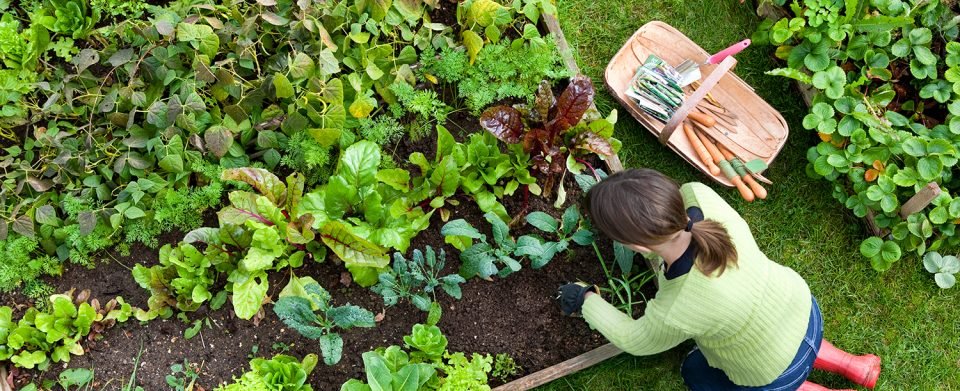
While gardening requires some commitment, it’s an achievable task for novices. Here are some essential suggestions to help you kickstart your home garden:
- Identify the ideal location. Choose a spot visible to you frequently to encourage regular maintenance and care. Look for a flat area that’s easily reachable and safe from erosion and wildlife disturbances.
- Decide between in-ground or container gardening. Both container and ground gardening come with their advantages and disadvantages. The ideal choice hinges on your personal preferences and objectives. In-ground gardens typically offer more room and better conditions for root development, while container gardens can be simpler to manage, especially if you’re only growing a few plants.
- Recognize the value of quality soil. While it might seem that any dirt will suffice, the quality of your soil plays a crucial role as it provides essential nutrients to your plants. Additionally, good soil ensures plants can anchor themselves well and grow strong while facilitating proper drainage. Enhance your soil with organic materials such as compost, aged manure, or leaf mold.
- Ensure easy access to water. Carrying water can make gardening less enjoyable, so locate your garden near a hose. Check the moisture level by feeling the soil about an inch below the surface to determine when to water.
- Choose a sunny spot. A sunny location is critical since most fruits, herbs, and vegetables require at least six hours of sunlight daily. Be mindful that the sun’s positioning shifts with the seasons, and surrounding trees or plants might cast more shade over time.
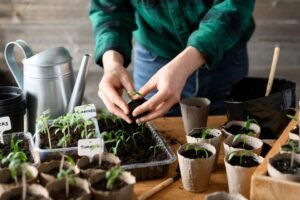
- Think about your crop selection. Starting with vegetables you already enjoy is a wise decision, considering the effort you’ll invest in growing them. Gradually, you can introduce new varieties, but initially sticking to familiar foods will help minimize waste and maximize reward. Be aware of your local growing season to ensure your plants reach maturity; starting seeds indoors can be beneficial if you’re waiting for warmer temperatures.
- Plant based on a schedule. Understanding the maturity timelines for different produce can assist in creating a planting schedule. Avoid harvesting everything at once—by staggering your plantings, you can extend the harvest season for your family.
For more useful suggestions on managing your home and garden, visit eLivingtoday.com.