By Family Features | Contributor
With temperatures projected to exceed historical averages by at least 2 degrees across much of the country, as indicated by AccuWeather, residents may experience significantly increased air-conditioning costs this summer.
“During summer, homeowners often look for strategies to keep their living spaces cool and comfortable while adhering to their budgets,” noted Michael Williford, HVAC service manager at Hiller Plumbing, Heating, Cooling & Electrical. “We assist customers in maintaining their existing HVAC systems or transitioning to more energy-efficient ones, which can greatly impact their electricity bills. Additionally, there are numerous methods homeowners can adopt to lower their energy expenses during the hot summer months.”
Here are some smart and practical strategies to help reduce your energy costs.
Regular HVAC Maintenance
For optimal cooling performance and efficiency, it’s essential to find a licensed contractor to regularly service your heating and cooling systems throughout the year. While many homeowners can handle basic tasks like clearing debris from outdoor units and replacing air filters, it’s important to schedule professional maintenance 1-2 times a year to ensure ductwork and electrical components are functioning correctly.
Use Appliances During Off-Peak Times
Instead of using stoves, ovens, and dryers during peak afternoon hours, consider scheduling these activities for early mornings or late evenings. Many electricity providers define peak usage as noon to 6 p.m., and avoiding appliance use during these hours can help lower cooling demands and overall energy costs.
Upgrade to Energy-Efficient Heat Pumps
The Inflation Reduction Act (IRA) encourages homeowners to invest in energy-efficient HVAC upgrades, such as qualified heat pumps that enhance seasonal energy efficiency. Systems like Mitsubishi Electric heat pumps offer superior cooling efficiency, which can translate to substantial cost and energy savings as well as a reduced carbon footprint. With features like inverter or variable-speed technology, these systems can automatically adjust the energy consumed based on the room’s requirements, potentially allowing some homeowners to save up to $1,000 annually by switching to an all-electric heat pump.
Grill Instead of Cooking Indoors
On hot days, consider firing up the grill instead of using the stove or oven, which helps minimize energy use and keeps your home cooler. Alternatively, appliances like toaster ovens, air fryers, and slow cookers consume less energy than conventional cooking methods. Get creative and try cooking pizza in a chiminea or smoking your favorite meats as an alternative to indoor baking.
Adjust Settings in Unused Rooms
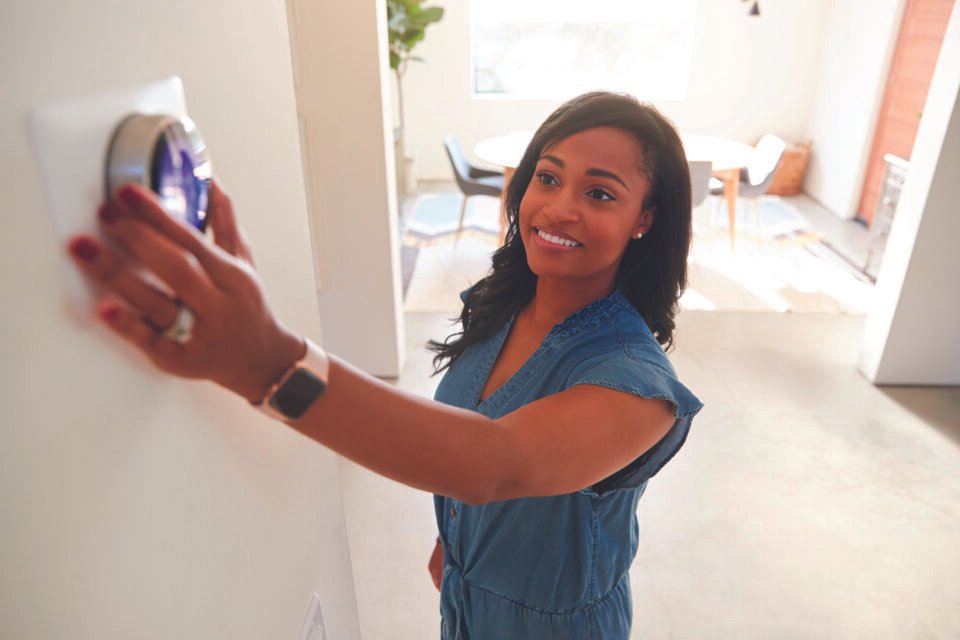
Many homeowners overlook the importance of adjusting thermostat settings when they leave home. Whether you’re off to the beach for the weekend or just going to work, running the air conditioner in an empty house can lead to excessive utility bills. Multi-zone, all-electric heat pumps from brands like Mitsubishi Electric allow you to customize the climate in various rooms, preventing energy waste in unoccupied spaces. With a smartphone app, users can even modify settings remotely.
Invest in a Smart Electric Panel
By installing a smart electrical panel along with an all-electric heat pump, homeowners can monitor and manage their energy consumption either on-site or remotely via a smartphone, leading to improved efficiency and cost savings.
Utilize Solar Power
According to the Office of Energy Efficiency & Renewable Energy, the sunlight that reaches the Earth’s surface in just 90 minutes could satisfy the annual global energy needs. Investing in solar panels can significantly reduce electricity bills and boost your home’s sustainability. Furthermore, various utility companies and governmental organizations, including the IRA, provide incentives to help offset installation costs. Solar energy also pairs effectively with all-climate heat pumps, which utilize minimal electricity to function.
Photos courtesy of Shutterstock