By Tanni Haas, Ph.D. | Contributor
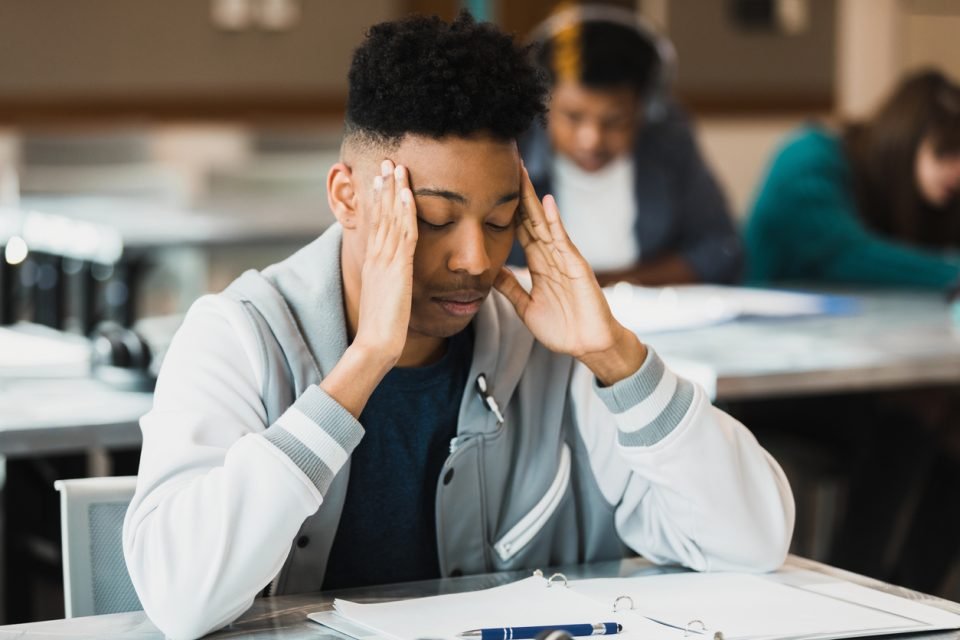
How can you discern whether your children are feeling overwhelmed by stress or merely facing manageable challenges that they are effectively handling? Additionally, how do you determine if the stress they are experiencing has escalated to a critical level? Experts suggest being vigilant for the following signs across physical, behavioral, and communicative dimensions that may indicate stress in your children:
Physical Symptoms
According to child psychologist Dr. Michele Borba, children who are significantly stressed frequently report various physical complaints, including headaches, neck pain, back pain, and stomach issues, along with experiencing several gastrointestinal disturbances such as constipation, diarrhea, and nausea. They may also feel dizzy and show changes in their eating habits—either a loss of appetite or overeating.
Additionally, children under stress often struggle to fall asleep, and when they do sleep, it can be restless with nightmares. Heidi Murkoff, author of the popular What to Expect When You’re Expecting series, notes that “unexpected changes in a child’s sleep patterns can signal that they are under stress. Kids who are overly anxious may find it difficult to fall asleep or stay asleep, potentially leading to night terrors, sleepwalking, or a reluctance to sleep alone.” Affected children may exhibit persistent fatigue and, due to inadequate sleep, are more prone to illnesses than their peers.
Children experiencing acute stress are likely to develop new anxieties, worries, and outright fears.
As children can display a range of physical stress symptoms, it’s crucial to be alert for multiple signs occurring simultaneously, as these may indicate significant stress levels.
Behavioral Symptoms
In addition to monitoring physical symptoms, observing behavioral changes is essential. Dr. Borba identifies common behavioral manifestations of stress, including restlessness, irritability, mood swings, forgetfulness, confusion, and difficulties concentrating on tasks for extended periods. Children under considerable stress may also experience an increase in anxiety and fear. Furthermore, Mrs. Murkoff explains that “children who feel stressed may try to find comfort in repetitive actions like nail-biting, hair-twisting, or skin-scratching.”
Some stressed children may struggle to regulate their emotions, displaying aggressive behavior like tantrums or conflicts with peers and family members. Others might regress to more childlike behaviors, such as excessive crying or whining. Additionally, some children withdraw from previously enjoyed social interactions. Child psychologist Dr. Robert Myers emphasizes that “a clear warning sign of something troubling your child is a noticeable drop in interest in their friendships.”
In an academic setting, stressed children often find it challenging to concentrate. They may blank out when called upon by teachers and perform below their potential. They might also request to stay home or feign illness to leave school early.
“A clear warning sign of something troubling your child is a noticeable drop in interest in their friendships.”
Dr. Robert Myers
Dr. Borba highlights the need to closely monitor behavioral indicators in younger children, as they often lack the ability to articulate their feelings. Mrs. Murkoff reinforces this by suggesting that parents become “behavioral detectives,” attuned to changes in their children that could signal stress.
Communicative Signs
Licensed clinical social worker Jay Rosenstein urges parents to listen carefully to the language their children use to express their feelings and to engage them in deeper conversations. For instance, when a child states, “everyone hates me,” parents may jump to worst-case conclusions, but it could simply indicate mild teasing at school that could be resolved by reaching out to the teacher. In contrast, expressions like “I feel trapped” could suggest more serious concerns.
The key takeaway is that one cannot solely rely on what children say to gauge the seriousness of their stress levels. Parents should avoid both overreacting and dismissing their children’s feelings. Instead, Mr. Rosenstein recommends that parents create opportunities for open dialogue with their children, noting, “Kids may come home, retreat to their rooms, and spend hours on the computer without parents truly understanding what’s going on. Make a conscious effort to maintain open lines of communication and prioritize time spent together.”
ABOUT THE AUTHOR
Tanni Haas is a Professor in the Department of Communication Arts, Sciences & Disorders at the City University of New York – Brooklyn College.
NOTE: This article was originally published in 2023.