
By Features Impact for American Heart Association
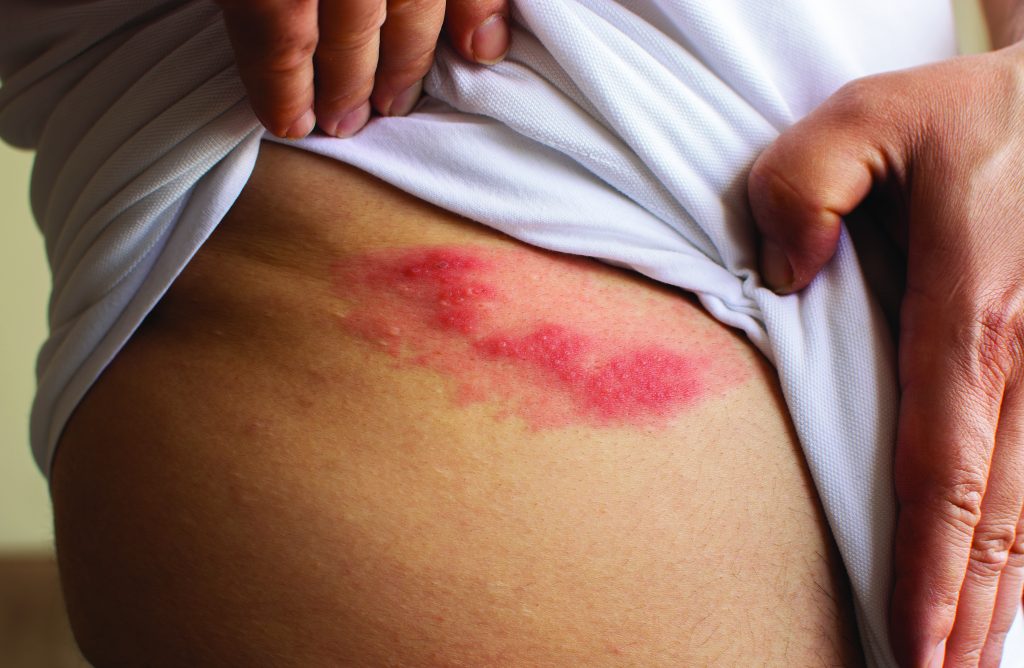
Shingles is not merely a source of painful rashes and nerve discomfort; it is also associated with an increased risk for severe cardiovascular incidents like heart attacks and strokes, particularly in the weeks to months following an infection. Fortunately, shingles can largely be prevented through vaccination.
The American Heart Association, a prominent nonprofit organization dedicated to improving health outcomes for everyone, urges eligible adults to safeguard their health by getting vaccinated and prioritizing heart wellness.
As per the Centers for Disease Control and Prevention (CDC), around 1 in 3 adults in the United States will experience shingles at some point in their lives. For those who have had chickenpox, the virus responsible for shingles, known as herpes zoster, remains dormant in the body and can reactivate years later, leading to painful blisters and prolonged nerve pain.
A major study published in the “Journal of the American Heart Association” revealed that individuals who experienced shingles saw a nearly 30% increase in the risk of heart attack and stroke shortly afterward, with the risk potentially lasting over time.
“Shingles can lead to severe pain and incapacitate individuals for weeks,” stated Eduardo Sanchez, M.D., FAHA, the American Heart Association’s chief medical officer for preventative health. “Additionally, it is linked to an elevated probability of heart and stroke complications afterward. If you are 50 or older, or if you have a compromised immune system, it’s essential to discuss the shingles vaccine with your healthcare provider or pharmacist. It’s a straightforward action that can enhance your health.”
Identifying your risk is the first step toward prevention. Age is shown to be the most crucial factor in the likelihood of developing shingles, as the immune system weakens naturally with age, allowing for the reactivation of the virus. Those aged over 50, as well as individuals managing heart disease, diabetes, or other chronic health conditions, are at greater risk for shingles.
The probability of facing serious complications from shingles increases:
- As age increases
- If you are taking medications that impair immune function, such as steroids or post-organ transplant drugs
- If you have health issues that affect your immune response, such as certain cancers like leukemia and lymphoma, or HIV
Streamlining Heart Health
Besides getting your vaccinations, it’s imperative to consult with your healthcare provider about strategies for boosting overall heart health. The American Heart Association points out that heart disease continues to be the foremost cause of death in the U.S., surpassing all other causes.
Embracing the healthy lifestyle recommendations put forth in Life’s Essential 8 can significantly contribute to reducing the risks of heart disease and stroke while also enhancing brain health. This framework includes four health behaviors (nutritional improvements, increased physical activity, quitting smoking, and ensuring sufficient sleep) and four health factors (weight management, cholesterol control, blood sugar management, and blood pressure management) that serve as fundamental metrics for supporting and sustaining cardiovascular well-being.
Steps to Obtain the Shingles Vaccine
- Verify eligibility: The CDC recommends vaccination for adults aged 50 and older and for those 19 and older with compromised immune systems.
- Locate a venue: The vaccine is available at most major pharmacies, many primary care and specialty clinics, and local health departments. Check your pharmacy’s app or website, or contact your healthcare provider’s office.
- Make an appointment: Schedule your vaccination online or via phone; many pharmacies offer same-day or walk-in appointments.
- Prepare for your visit: Bring a photo ID, your insurance card, and a list of your medications and allergies. Consider wearing a short-sleeved shirt for easier access.
- Plan for two doses, spaced 2-6 months apart: When scheduling your first dose, set a reminder or schedule your second dose before you leave.
- Understand costs and insurance coverage: Many health plans, including Medicare Part D, provide shingles vaccination with minimal or no costs. Review your benefits or ask the pharmacy for coverage verification.
- Post-vaccination monitoring: Common side effects include a sore arm, fatigue, headache, or mild fever, typically resolving in 2-3 days. Consult your healthcare provider for any severe or lingering symptoms.
- If previously infected with shingles: You can still receive the vaccine after recovery; ask your healthcare provider for the appropriate timing.
For additional information, visit heart.org/shingles.
Sidebar: Recognizing Signs and Symptoms of Shingles
Signs to watch for include: tingling, itching or burning sensation on one side of the body or face; a linear rash that evolves into fluid-filled blisters; headache; fever; or chills.
Respond swiftly: Should you suspect you have shingles, reach out to your healthcare professional immediately. Early treatment is most effective if administered within 72 hours of rash onset. If the rash is close to your eye, or if you experience eye pain or vision alterations, seek urgent medical attention.
Prolonged effects: The rash usually scabs over and resolves between 2-4 weeks, but pain in the affected area can persist for about a month, with the duration of pain generally increasing with age.
Sidebar: Ways to Protect Yourself (and Others) against Shingles
If diagnosed with shingles, you can prevent transmission by covering the rash and refraining from touching or scratching it. Frequent handwashing for at least 20 seconds is crucial, as is avoiding interaction with individuals at higher risk until the rash has completely scabbed over, including:
- Pregnant women who have never had chickenpox or the vaccine
- Premature or low-birthweight infants
- Individuals with compromised immune systems
Images courtesy of Shutterstock